
Why Chemical Cleaners Are Harmful to Your Health, Home, and Water Systems
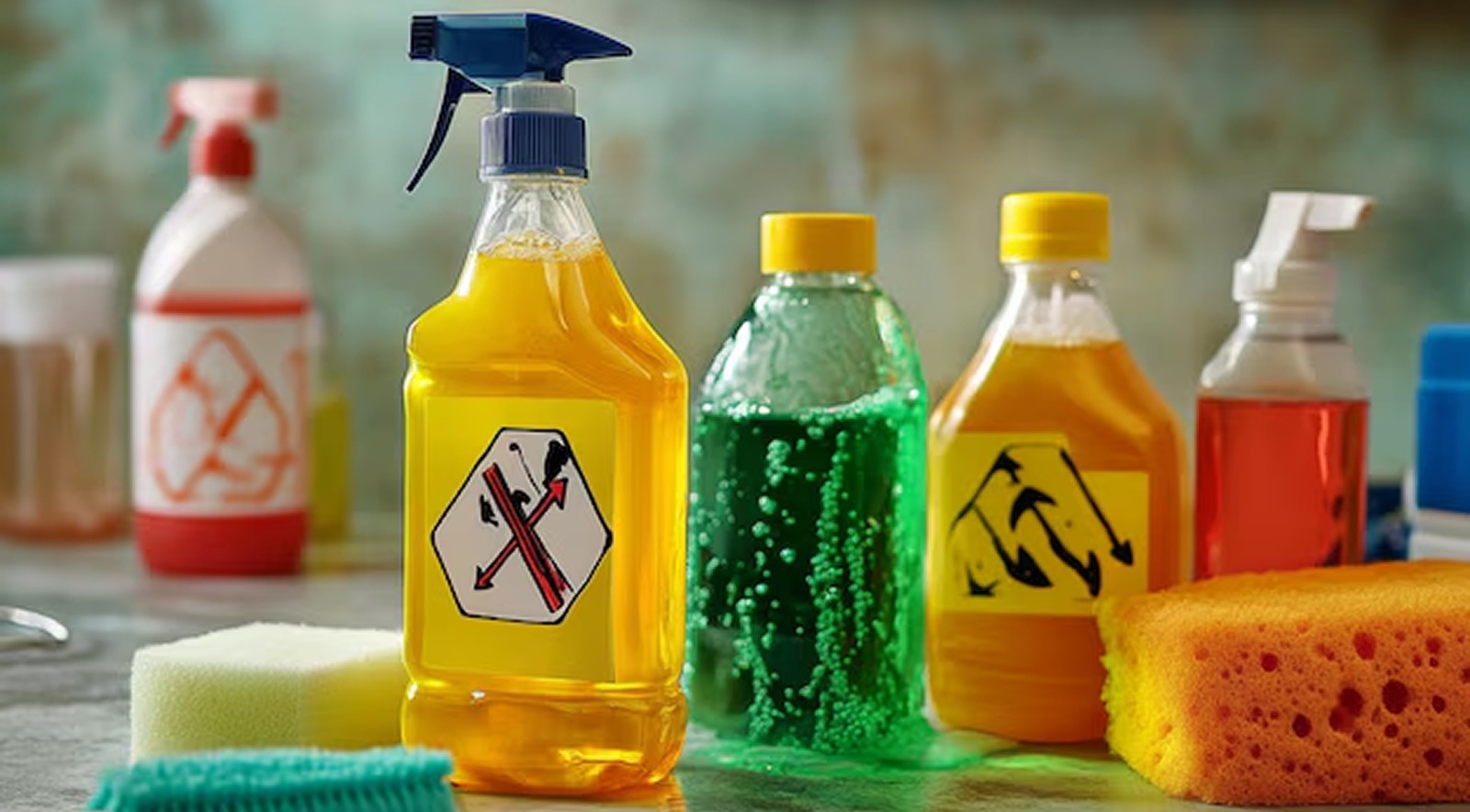
The sale of chemical cleaning products has been decades-long, and it is the secret to the ideal kitchen, the gleaming bathroom, and the home free of germs. Having a plethora of cleaning products, including strong disinfectants and multi-purpose sprays, a huge majority of households buy them without considering the contents of such bottles.
Hanging behind the fresh perfume and the glittering surfaces is a serious concern. The side effects of chemical cleaners go far beyond the temporary irritation they cause on you and affect your health, damage your home surfaces, and contaminate water in a way that is not easily noticeable but prolonged.
In this blog, the real dangers of chemical cleaning products will be explained, and why it is now not only good but also essential to replace them with less dangerous alternatives.
The Hidden Chemicals in Household Cleaners
Most popularised cleaners contain a mixture of synthetic ingredients designed to produce a quick, intensive effect. These include ammonia, chlorine bleach, phthalates, formaldehyde, sodium hydroxide and artificial perfumes. These chemicals are costly, despite their usefulness in removing stains and killing bacteria.
It is not just the limited exposure. It's cumulative exposure. There is continuous contact with the toxins, as indicated by daily cleaning schedules that include mopping, wiping, and spraying. Over time, it increases the chances of having health complications, especially in a home that has children, pets, the elderly, or those with respiratory diseases. Knowing the effects of such substances on the body is the first step in learning about the dangers of the chemical cleaning agents.
1. Effects of Chemical Cleaners on Your Health
Breathing Problems:
Inhalation of bleach, aerosol sprays, and ammonia fumes can irritate the respiratory tract. Prolonged exposures have been linked to asthma, chronic lung infection and other breathing diseases. Even with short-term exposure, coughing, throat irritation, dizziness, and headaches may occur. Indoor harsh chemical cleaning services are likely to degrade IAQ. You can mop your floor and not even think that you are putting poisonous gases in your house
Skin and Eye Irritation:
Some chemical cleaners are acidic. Direct contact may cause skin burns, rashes and allergic reactions. In the vast majority of cases, on exposure to a daily environment, most people witness thirst, shedding or scratching. Accidental splashes can injure the eyes.
Hormonal Disruption:
Endocrine disruptors include some phthalates and synthetic perfumes found in toxic household cleaners. These chemicals may interfere with hormone regulation, which influences reproductive health and child growth.
Long-Term Health Risks:
Some chemical cleaning products contain ingredients that emit volatile organic compounds (VOCs). The long-term consequences of exposure to VOCs are cancer and organ damage. Periodic use might seem harmless, but it accumulates over time.
2. Damage to Your Home Surfaces
Chemical cleaners can also harm the surfaces in your home over time.
Deterioration of Surfaces:
Strong acids and alkalis may gradually damage tiles, marble, granite, wood, and metal surfaces. What appears to be powerful cleaning can slowly weaken the protective finish of materials.
Reduced Appliance Life:
Residues from harsh cleaners can accumulate in washing machines, dishwashers, and drainage systems, reducing efficiency and shortening appliance lifespan.
Water Pollution and Environmental Impact
When cleaning products are washed down the drain, their chemicals enter sewage systems and eventually reach natural water bodies. Wastewater treatment plants cannot always completely remove these substances.
Impact on Aquatic Life:
Chemicals such as bleach and ammonia can harm fish, aquatic plants, and beneficial microorganisms, disrupting the natural balance of ecosystems.
Groundwater Contamination:
Some chemicals seep into soil and groundwater, potentially contaminating drinking water sources and causing long-term environmental damage.
Indoor Air Pollution: The Invisible Threat
Indoor air pollution is often overlooked. However, frequent use of chemical cleaners can release VOCs and artificial fragrances that linger in the air. These pollutants can react with other indoor particles and make the air unhealthy to breathe.
Children and pets are particularly vulnerable because they spend more time indoors and closer to cleaned surfaces.
The Problem with “Strong Fragrance = Clean”
Many people associate strong fragrance with cleanliness. However, artificial scents often contain dozens of undisclosed chemicals. A label that simply says “fragrance” may hide several synthetic compounds that mask odors rather than eliminate the source.
The Safer Alternative: Bio Enzyme Cleaning
As awareness about chemical exposure increases, many households are turning toward eco-friendly cleaning solutions. One effective alternative is bio-enzyme cleaning.
Bio-enzyme cleaners use natural fermentation processes to produce beneficial bacteria and enzymes that break down grease, stains, and organic waste safely without harsh chemicals.
Advantages of Using Bio Enzyme Cleaners
• Non-toxic and environmentally safe
• Gentle on home surfaces
• Reduces water pollution
• Improves hygiene naturally
• Safer for families and pets
Why Choose Sustainable Cleaning Solutions?
Switching to eco-friendly cleaning products is becoming increasingly important. Sustainable cleaning protects both your family’s health and the environment.
Brands like Ration Bio are developing safer cleaning solutions using bio-based ingredients. These products focus on effective cleaning while supporting environmental responsibility.
Making the Shift: Small Change, Big Impact
Transitioning away from chemical cleaners does not require a major lifestyle change. You can start by replacing everyday products like floor cleaners, kitchen degreasers, and toilet cleaners with bio-enzyme alternatives.
Over time, you may notice improved indoor air quality, fewer allergies, less surface damage, and greater peace of mind.
Final Thoughts
Chemical cleaners may deliver quick results, but their long-term effects on health, home surfaces, and water systems cannot be ignored. By choosing eco-friendly solutions such as bio-enzyme cleaners, households can maintain cleanliness while protecting both people and the environment.
Frequently Asked Questions
Why are chemical cleaners harmful to human health?
Many contain toxic substances like bleach, ammonia, and synthetic fragrances that can cause respiratory irritation, skin reactions, and long-term health risks.
How do chemical cleaners affect water systems?
When washed down drains, chemical residues can enter rivers and groundwater, harming aquatic life and polluting water sources.
Are bio-enzyme cleaners effective?
Yes. Bio-enzyme cleaners use natural enzymes and bacteria to break down dirt and organic waste effectively without harmful chemicals.
Do chemical cleaners damage home surfaces?
Yes. Strong chemicals can corrode metals, damage stone surfaces, and reduce the lifespan of appliances and plumbing systems.
What is a safer alternative to chemical cleaners?
Eco-friendly bio-enzyme cleaners are a safer option because they are biodegradable, non-toxic, and effective for everyday cleaning.
×